Love is Holding Complexity, Part I:
Permission to Change
In my budding spirituality over the last several months, I’ve found myself grieving about not having closer (and more affordable) access to traditional Filipino spiritual leaders. We have access to stories about Filipino gods and spirits, but how can I connect and work with them without basically emigrating? How do I be in relationship with the spirits that have shaped my ancestors over millennia?
Of course, there are books and articles by Filipino writers who share our people’s diverse traditions, but what does it look like to honor and practice them in a diasporic context?
And can we allow the answers to be as symbiotically biodiverse as Mount Makiling?
(Also, if you know of any relevant sources, please send my way).
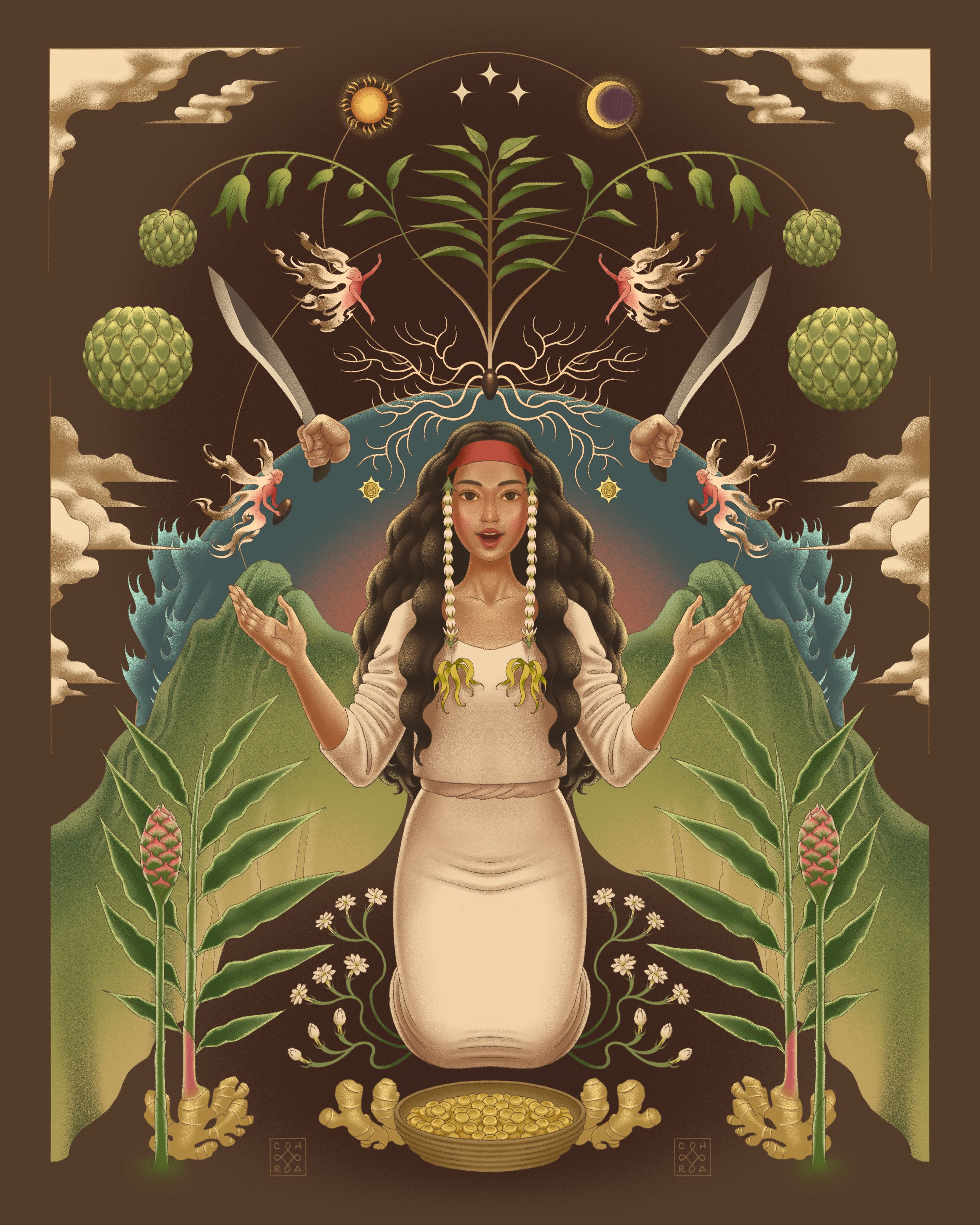
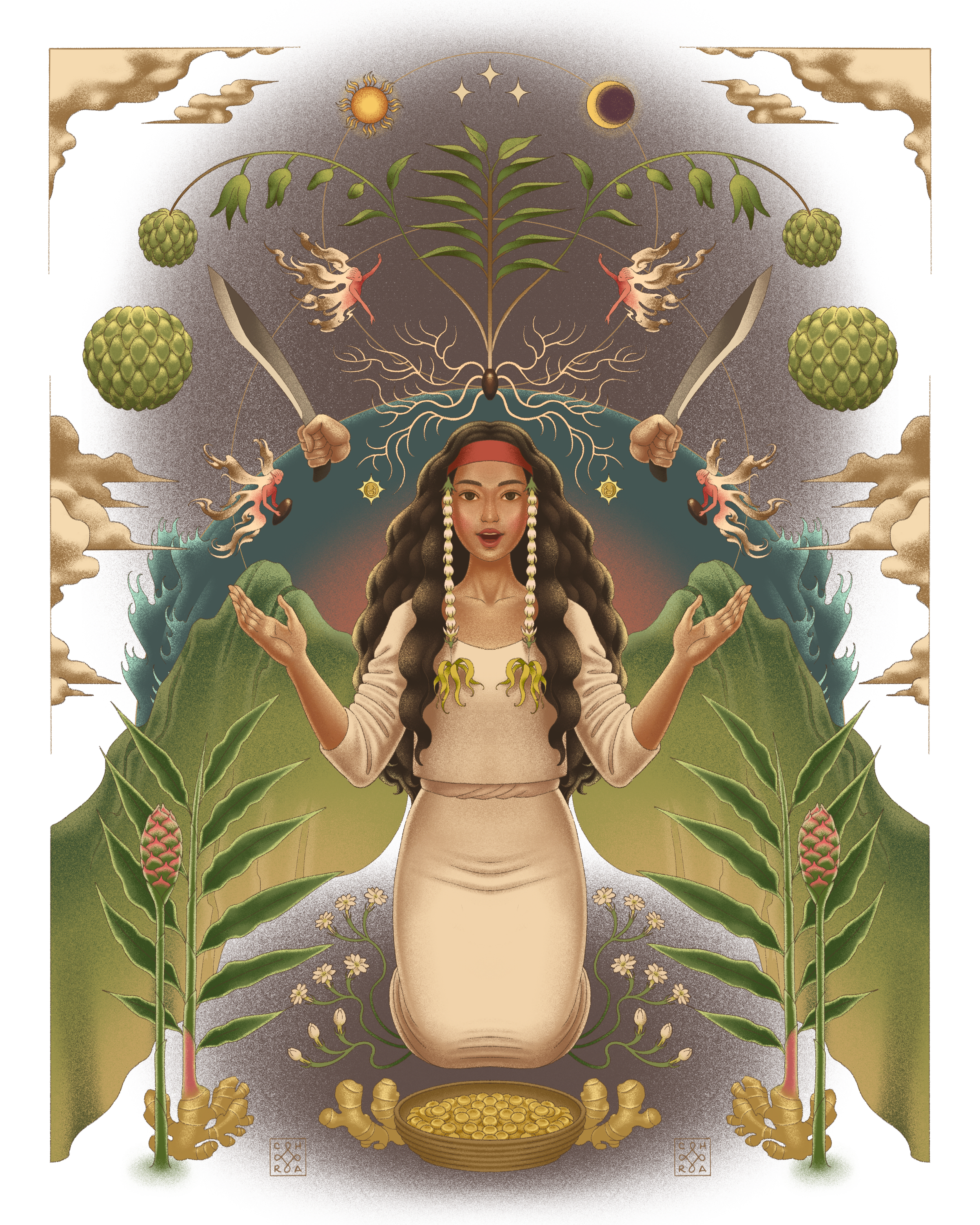
Living constantly at what feels like the edges of “the Filipino identity” (fyi, there really isn’t “one”), I was astonished and honored, yet in disbelief to have Apu Maria Makiling come to me.
What does a mountain spirit from the motherland want to do with someone from the diaspora, oceans away?
I heard her say,
“The mother never forgets her children. She was always with you.”
I cried.
The Filipino people have been and still continue to be traumatized by change, whether violently enforced or corruptly stewarded. Yet change itself is not the enemy. How do we repair our relationship with it? How can the old and new be witnessed and honored by each other through the often unforeseen transformations?
As time passes, I see now that even if AI were to create a step-by-step guide to answer those questions, the true sustainable answers can only unfold from a clear intention to deeply embody change itself--a task made difficult by systems built to shame us from our full humanity.